

TheMaritime.net
Dry Bulk Freight Index2,490 -1.3%Capesize3,538 -2.8%Panamax2,124 +0.7%Dirty Tanker Index1,935 +1.1%Supramax1,668 -0.1%Clean Tanker Index1,280 -1.4%Handysize947 +0.2%Dry Bulk Freight Index2,490 -1.3%Capesize3,538 -2.8%Panamax2,124 +0.7%Dirty Tanker Index1,935 +1.1%Supramax1,668 -0.1%Clean Tanker Index1,280 -1.4%Handysize947 +0.2%Dry Bulk Freight Index2,490 -1.3%Capesize3,538 -2.8%Panamax2,124 +0.7%Dirty Tanker Index1,935 +1.1%Supramax1,668 -0.1%Clean Tanker Index1,280 -1.4%Handysize947 +0.2%Dry Bulk Freight Index2,490 -1.3%Capesize3,538 -2.8%Panamax2,124 +0.7%Dirty Tanker Index1,935 +1.1%Supramax1,668 -0.1%Clean Tanker Index1,280 -1.4%Handysize947 +0.2%Dry Bulk Freight Index2,490 -1.3%Capesize3,538 -2.8%Panamax2,124 +0.7%Dirty Tanker Index1,935 +1.1%Supramax1,668 -0.1%Clean Tanker Index1,280 -1.4%Handysize947 +0.2%Dry Bulk Freight Index2,490 -1.3%Capesize3,538 -2.8%Panamax2,124 +0.7%Dirty Tanker Index1,935 +1.1%Supramax1,668 -0.1%Clean Tanker Index1,280 -1.4%Handysize947 +0.2%
Active

Exxon Valdez

IMO
8414520

Commercial

Voyage Estimate

Overview

About This Vessel

Exxon Valdez was an oil tanker that gained notoriety after running aground in Prince William Sound, spilling its cargo of crude oil into the sea. On 24 March 1989, while owned by the former Exxon Shipping Company, captained by Joseph Hazelwood and First Mate James Kunkel, and bound for Long Beach, California, the vessel ran aground on the Bligh Reef, resulting in the second largest oil spill in United States history. The size of the spill is estimated to have been 40,900 to 120,000 m3 (10.8 to 31.7 million US gal; 257,000 to 755,000 bbl). In 1989, the Exxon Valdez oil spill was listed as the 54th-largest spill in history.

Fleet Management

Ownership & Management
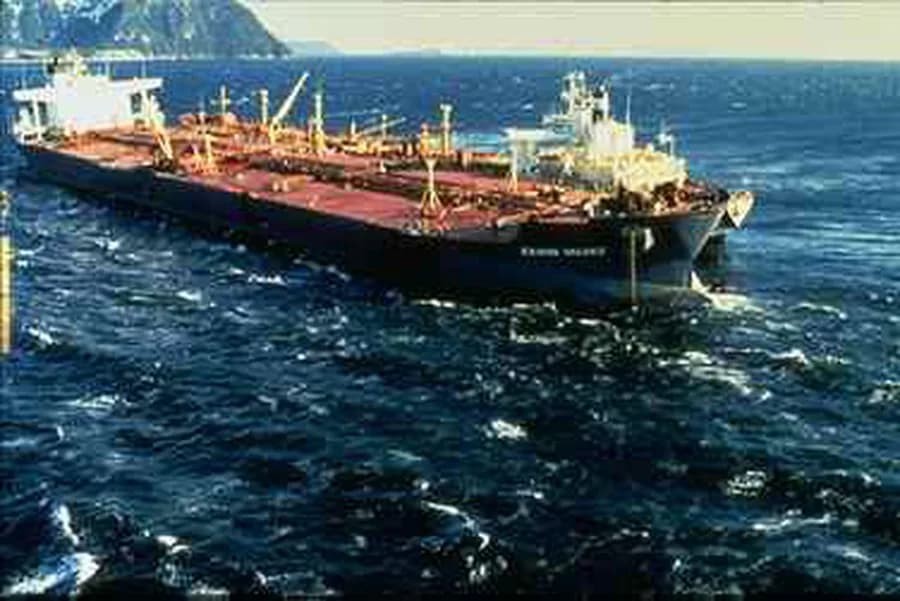
Exxon Valdez

Visual Archive

Gallery

Community

Vessel Comments